
6th January 2026

Decontamination with UV-C Light: Applications in Healthcare & Beyond

Advanced UVC technology supports decontamination across surface, air, and water treatment. It offers a fast, chemical-free way to reduce microorganisms in healthcare, manufacturing, and public infrastructure.

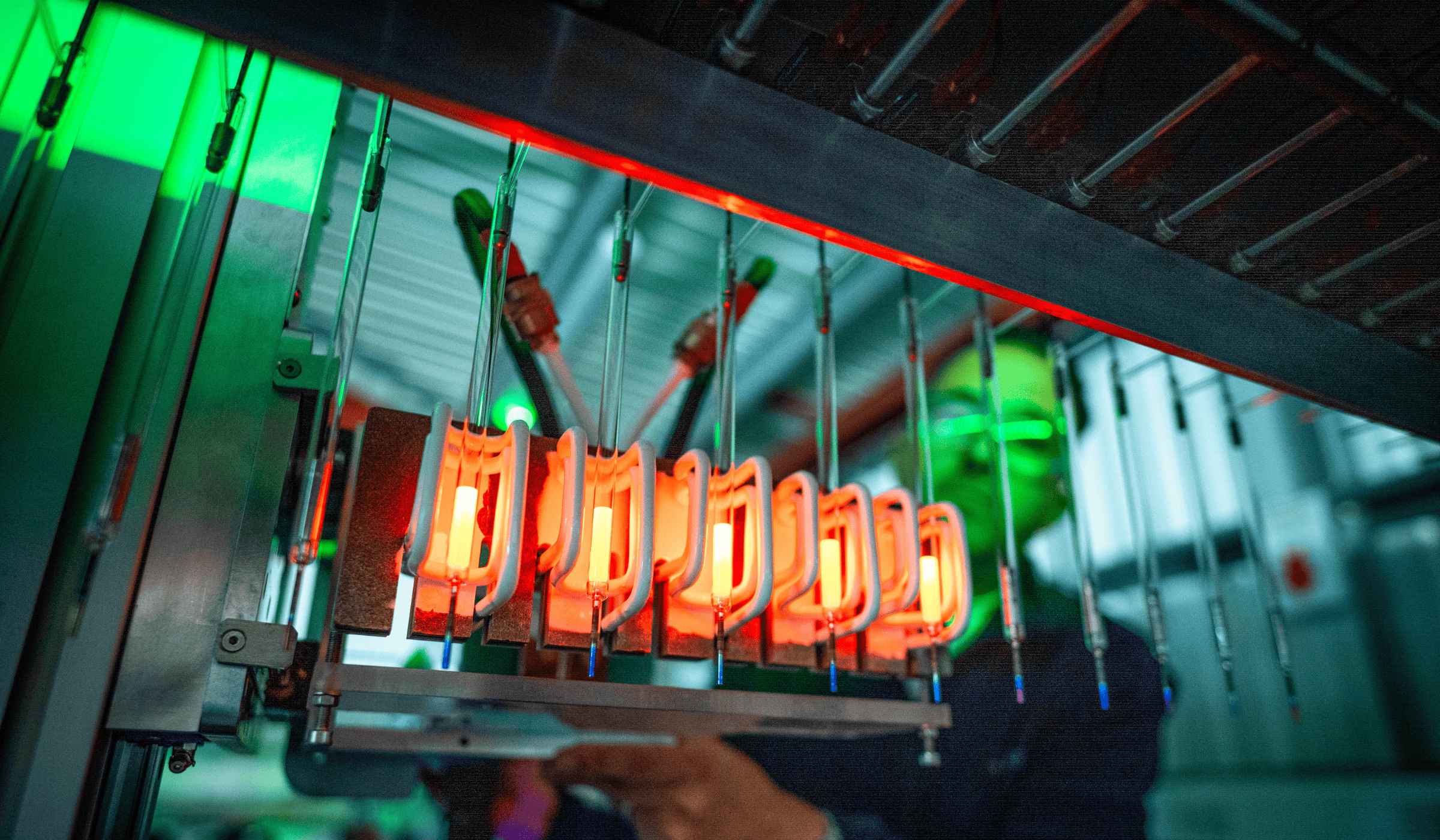
First Light Lamps manufactures specialised xenon flash lamps in the UK. Since 2004, we have supported OEMs and system integrators that use UVC systems for surface, air, and water treatment.
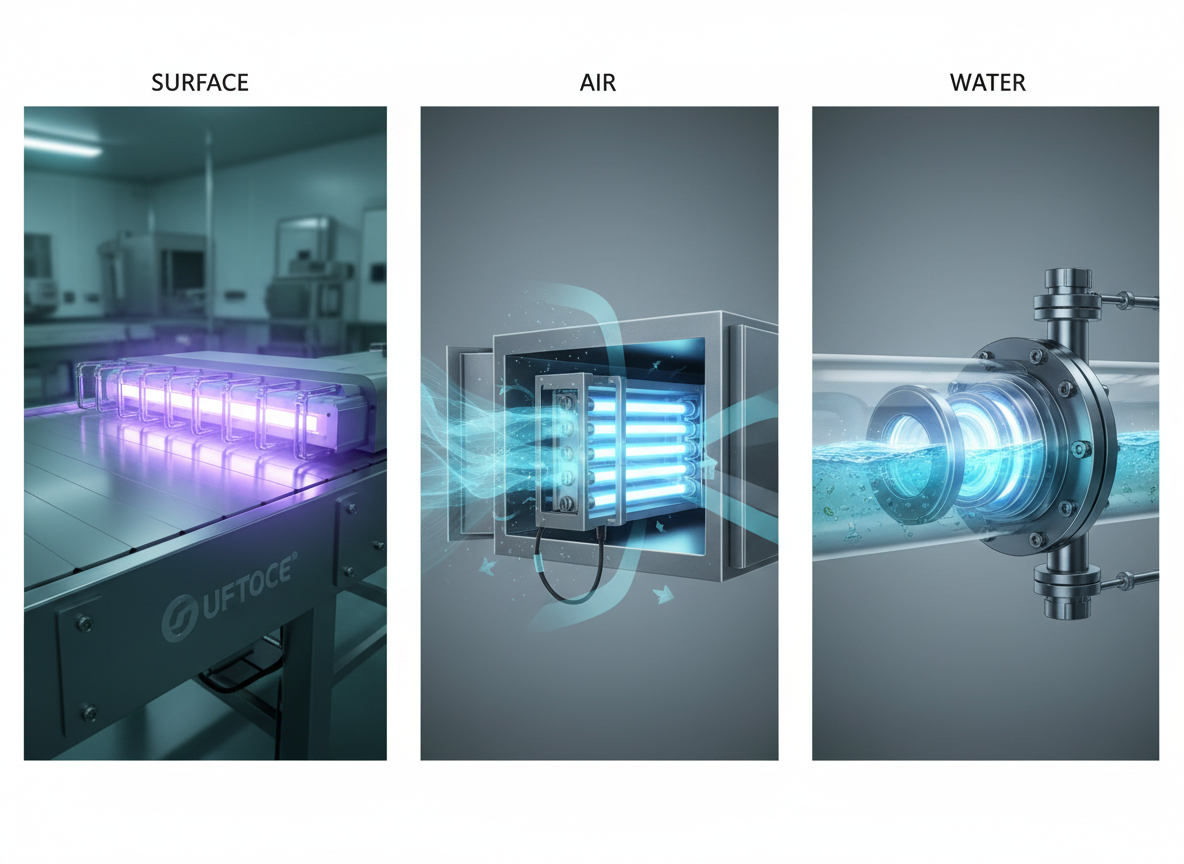
Advanced UVC Technology for Surface, Air & Water Treatment

The Science Behind UVC Decontamination

UVC light in the 180–280 nm range can inactivate many microorganisms by disrupting DNA and RNA. As a result, UVC systems can reduce contamination without chemical residues.

Xenon flash lamps can deliver high-intensity pulsed output within UVC wavelengths. Therefore, system designers often choose them when they need strong optical power, repeatable performance, and robust lamp construction.

If you specify a UVC system, align lamp output, dose, and exposure time with your target organisms and operating environment.

UVC Decontamination in Healthcare

Healthcare environments require consistent infection control. UVC technology supports this goal because it can supplement manual cleaning and help reduce bioburden between cycles.

Operating Room and Clinical Space Decontamination

Facilities often use UVC systems to decontaminate rooms between procedures. In addition to routine cleaning, UVC can help address high-touch surfaces and hard-to-reach areas.

Key considerations include:

  • Room geometry and shadowing
  • Exposure time and dose targets
  • Safety interlocks and operating procedures

Medical Device and Equipment Decontamination

Teams use UVC to decontaminate certain instruments and equipment where chemical residues create risk or add handling steps. Consequently, UVC can support faster turnaround and simpler workflows.

When you design the process, consider:

  • Material compatibility
  • Required dose and validation approach
  • Repeatability across cycles

Air Purification and HVAC Systems

Hospitals and clinics also use UVC in air handling systems. For example, UVC modules can reduce airborne microorganism load within ducts and recirculation systems.

To specify these systems, teams typically evaluate:

  • Airflow rate and exposure time
  • Lamp placement and shielding
  • Maintenance intervals and monitoring

Industrial Applications of Advanced UVC Technology

Many industries use advanced UVC technology because it reduces chemical usage and supports consistent process control.

Water Treatment

Municipal and industrial water treatment systems use UVC to inactivate waterborne microorganisms. Therefore, UVC can complement filtration and other treatment stages.

Typical requirements include:

  • Target dose by flow rate
  • Quartz sleeve and fouling management
  • Long-term lamp stability

Food and Beverage Production

Food processing facilities use UVC for surface decontamination of packaging, conveyors, and equipment. In particular, UVC can support hygiene programmes where chemical disinfection is impractical or undesirable.

Important factors include:

  • Line speed and exposure geometry
  • Surface reflectivity and shadowing
  • Validation and audit documentation

Clean Rooms and Controlled Environments

Semiconductor, pharmaceutical, and precision manufacturing sites require strict contamination control. UVC systems can provide ongoing decontamination without introducing chemical contaminants.

To integrate UVC into clean rooms, teams focus on:

  • Heat management and airflow
  • Materials and outgassing constraints
  • Maintenance access without disrupting operations

Environmental Impact of UVC Decontamination

UVC decontamination can support sustainability goals. For example, it can reduce reliance on chemical disinfectants and lower water usage in some cleaning regimes.

Common benefits include:

  • Reduced chemical consumption
  • Lower water usage
  • Minimal residue and waste
  • Simplified handling and storage requirements
Xenon Flash Lamps Manufacturer

How to Choose the Right UVC System for Surface, Air & Water Treatment

When you evaluate advanced UVC technology, define the performance target first. Then match the system design to your environment.

Consider:

  • Target organisms and required log reduction
  • Dose, distance, and exposure time
  • Surface geometry and shadowing
  • Safety controls and operating procedures
  • Maintenance, monitoring, and lamp replacement planning

Request a Quote

If you develop or maintain a UVC decontamination system, we can help you specify the right xenon flash lamp for your application.

Contact First Light Lamps to request a quote and share:

  • Your application (surface, air, or water treatment)
  • Target wavelength range and dose requirements
  • Mechanical constraints and cooling method
  • Expected duty cycle and lifetime targets

About First Light Lamps

First Light Lamps Ltd manufactures Xenon and krypton flash lamps in the UK. We produce over 2,000 lamp types and support customers worldwide across medical, industrial, and decontamination sectors. Our ISO 9001 certified facility focuses on consistent quality, repeatable performance, and long-term supply continuity.